As the transmission system operator for Baden-Württemberg, TransnetBW is responsible for the secure and reliable operation of the regional electricity transmission grid. The company transports electricity to more than eleven million people and is closely integrated into the German and European interconnected power system.
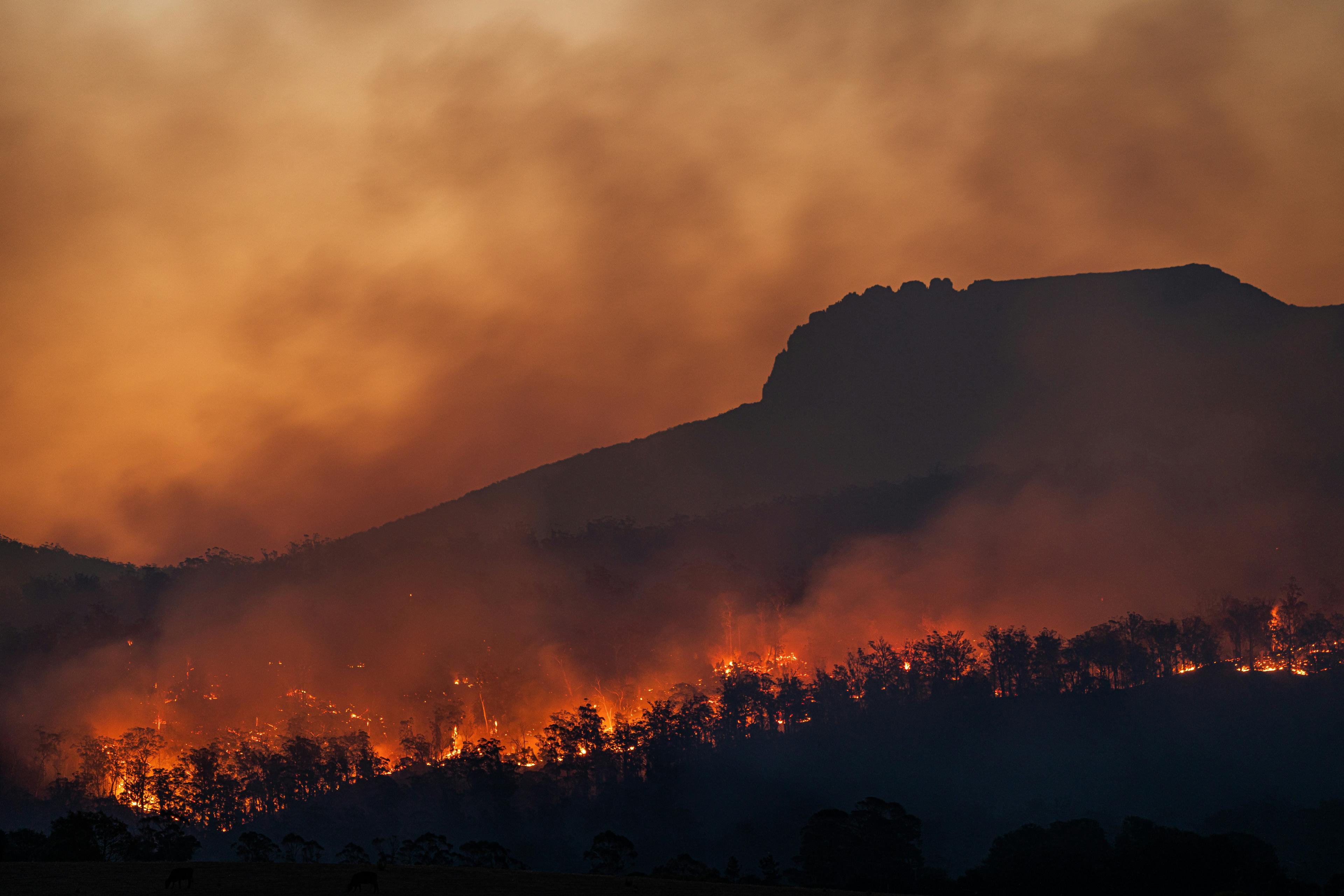
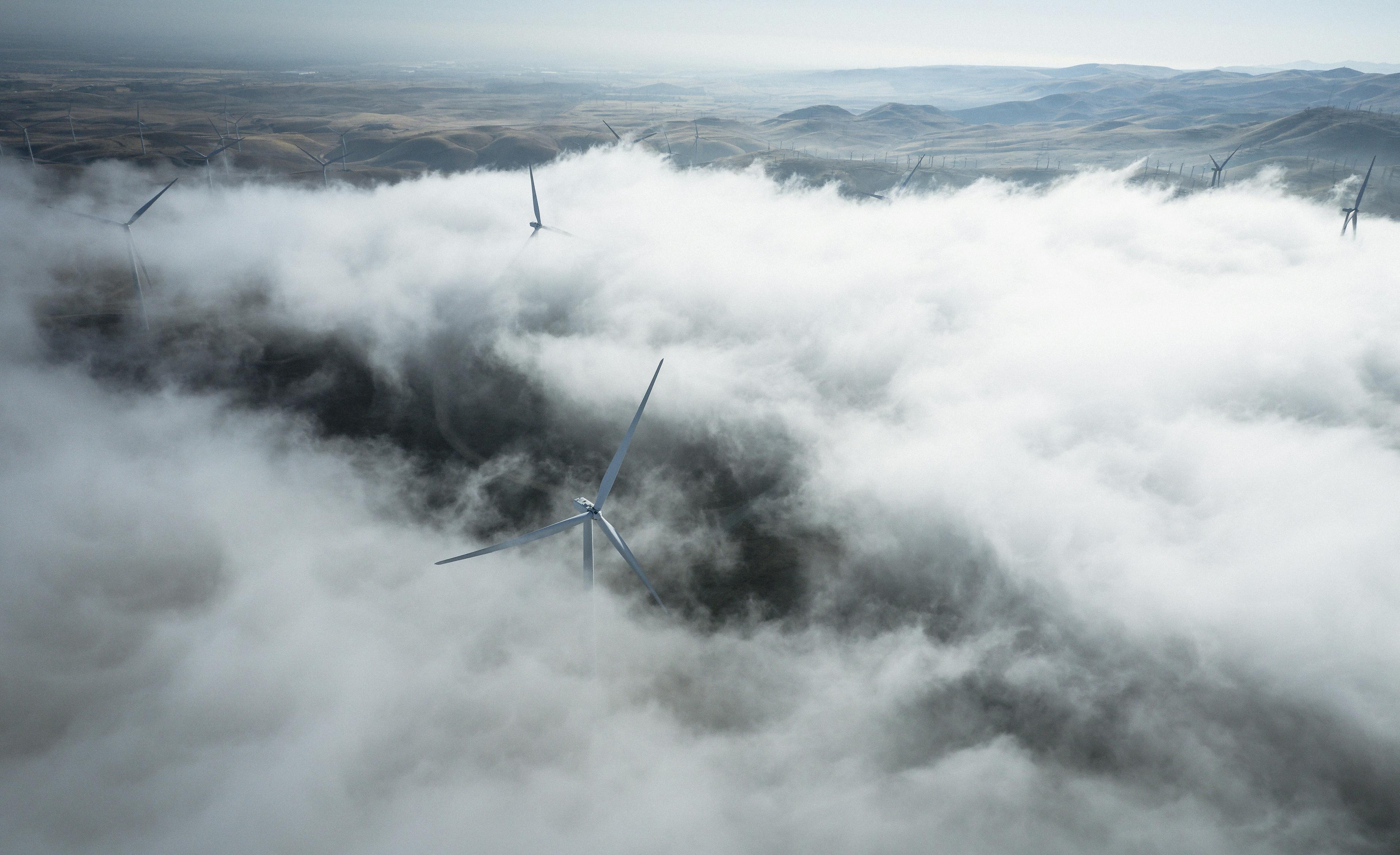
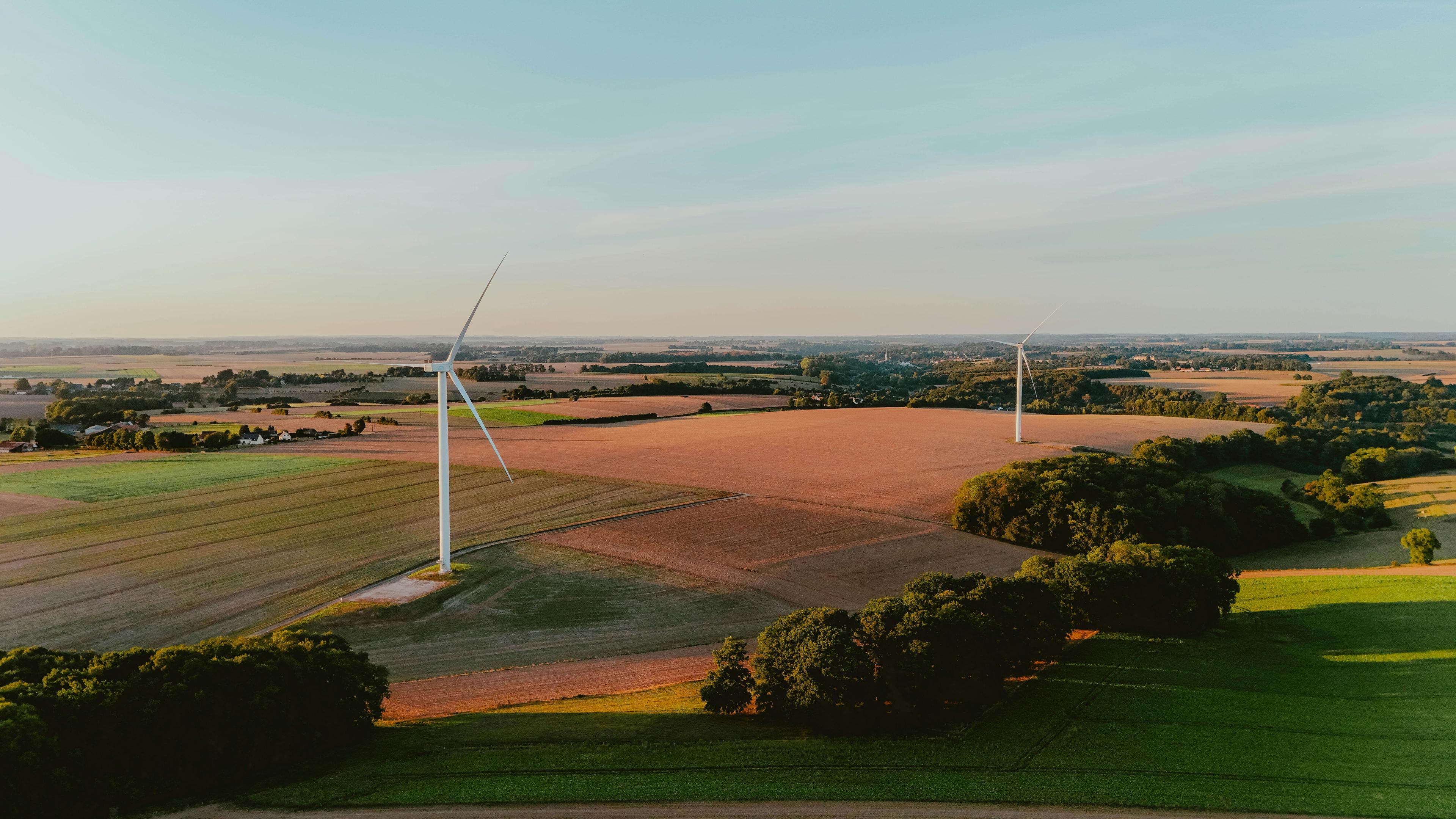
As renewable energy expands, weather conditions are having an increasing impact on the power system. Changes in wind and solar radiation can affect renewable generation and, consequently, the system balance and grid operations. At the same time, extreme weather conditions can challenge the resilience of energy infrastructure.
To better assess meteorological developments as part of its operational situational awareness, TransnetBW uses a range of internal and external sources of information. These include the MetX weather platform provided by Meteomatics. The platform presents meteorological information in a consolidated and accessible form, complementing the established tools and processes used in system operations.
Weather Information as Part of Operational Situational Awareness
Secure grid operations require generation and consumption to remain balanced at all times. Weather-related changes in renewable generation and potential forecast deviations are therefore important factors in system operations.
MetX supports TransnetBW’s specialists in identifying and assessing meteorological developments and associated uncertainties. The platform provides an additional information perspective. It does not replace validated forecasts and system data, grid-security calculations, or the established coordination processes between transmission system operators.
Operational assessments and decisions remain entirely the responsibility of TransnetBW’s qualified specialists.
Making Meteorological Information Accessible
One key benefit is the clear presentation of meteorological information for operational use. This enables specialists to compare weather developments with the information relevant to system operations and to base their assessments on a broader range of inputs.
“We are specialists in operating the power system, not meteorologists. A structured view of weather conditions helps us place meteorological developments in the context of system balancing and grid security.” – Simon Stein
Strengthening Resilience to Weather Events
Weather information can also support the early identification of relevant developments and improve preparedness for extreme weather conditions. For TransnetBW, this forms one element of a comprehensive approach to resilience.
The value does not lie in a single feature or in automated intervention, but in providing an improved information basis for established assessment, verification, and coordination processes. To protect critical infrastructure, specific security measures, operational procedures, and technical details are not covered in this case study.
Outlook: Responsible Use of Emerging Technologies
TransnetBW continuously assesses how digital technologies can support specialists in system operations. This includes exploring how AI-assisted functions could help present complex information in a clear and accessible way.
Critical infrastructure environments require particularly high standards of security, reliability, transparency, and human accountability. AI may support professional assessments, but it does not make independent operational decisions.
By using meteorological information as an additional input, TransnetBW strengthens the quality of its situational awareness and supports secure and resilient grid operations in an increasingly weather-dependent energy system.