Brad Guay
Head of Government and Defense Solutions
Who Is Brad Guay?
Brad Guay is Head of Government and Defense Solutions at Meteomatics. He works with aerospace, government, and defense organizations to apply weather data in operational and mission-critical contexts. His background spans weather intelligence, catastrophe risk modeling, and environmental monitoring systems.
He previously held roles at OTT HydroMet and Moody’s RMS, leading national-scale deployments of meteorological and hydrological systems and advising insurers, corporations, and governments on assessing and managing natural catastrophe risk.
At Meteomatics, he leads global government and defense engagements, focused on improving the quality of weather data and how it is applied across operations, planning, and analysis.
Expert Contributions and Media Mentions
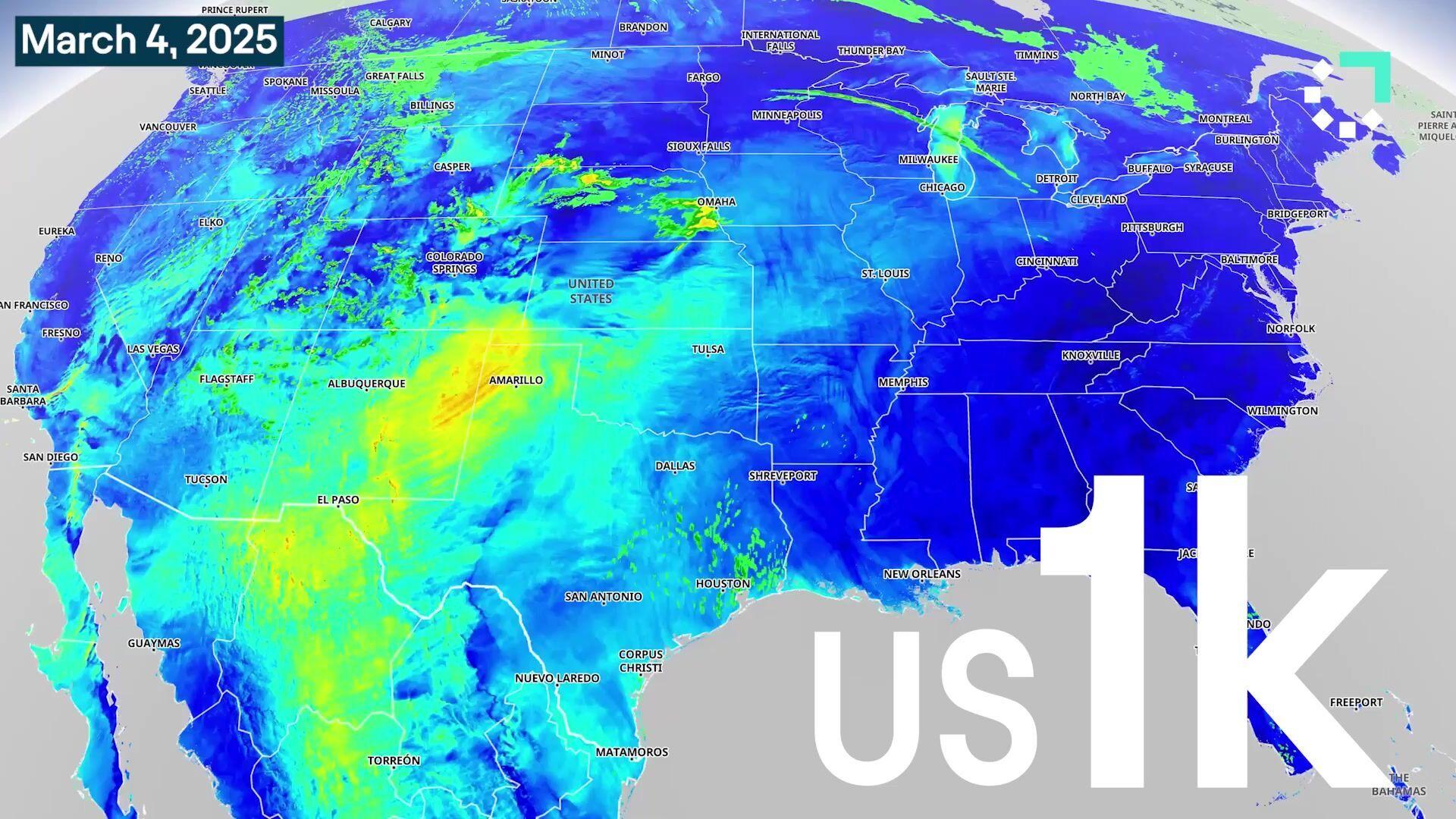
Range meteorologists at Wallops are using Meteomatics’ US1k weather model alongside its MetX forecasting platform to gain more detailed insight into local weather conditions that can affect launch activities and site safety.
Met Tech International, 2026.
The US Navy has launched Meteodrones from a moving vessel to collect frequently unobserved atmospheric data critical to maritime operations. The trial, conducted as part of the Advanced Naval Technology Exercise (ANTX) was designed to enhance operational readiness and safety for naval missions.
Met Tech International, 2025.
The key players involved in the WMO’s recently concluded UAS Demonstration Campaign discuss the project’s success and explore the main challenges that need to be overcome before uncrewed aerial systems can provide wide-scale, routine and real-time observations.
Met Tech International, 2025.
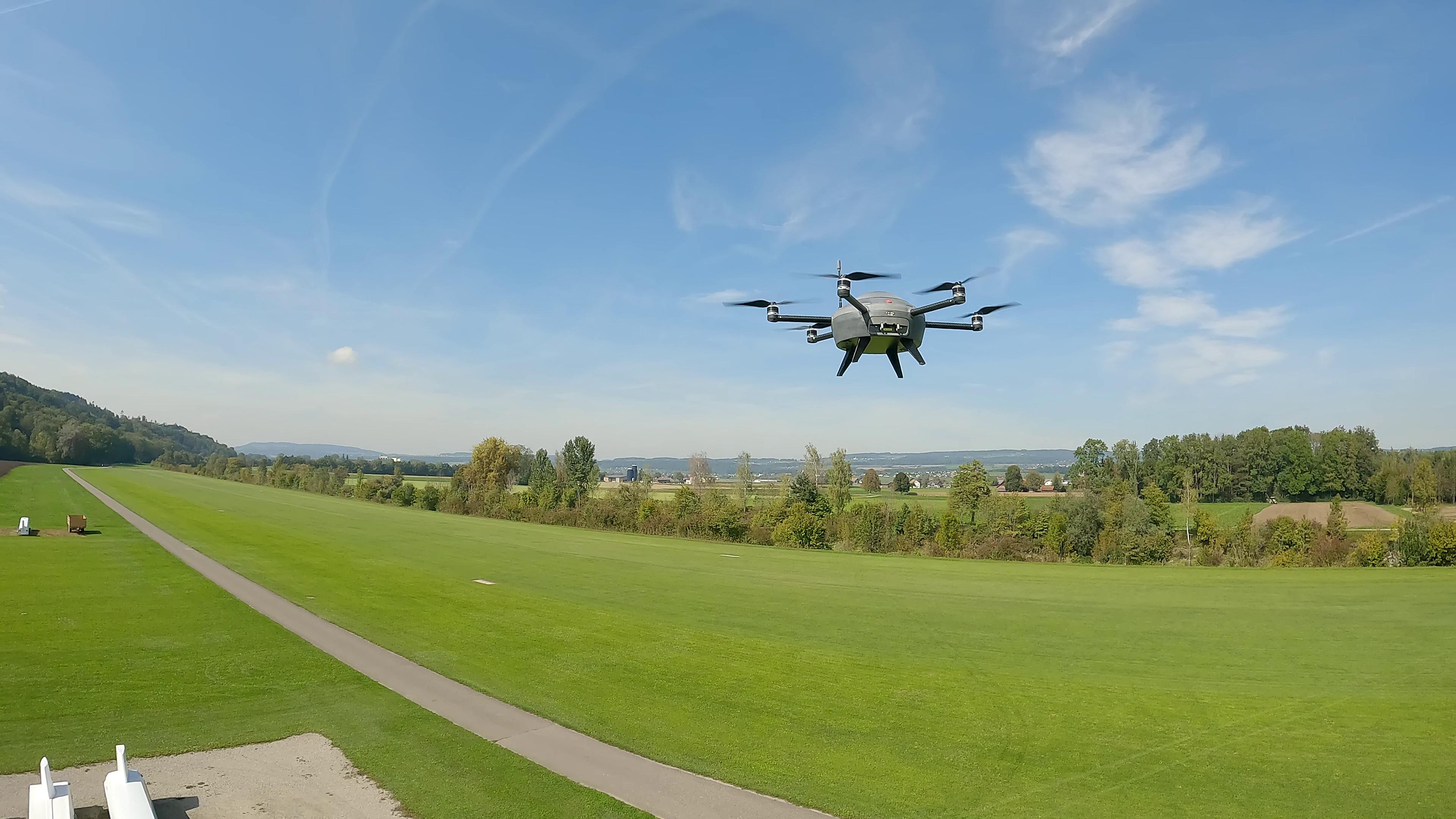
Meteomatics uses automated Meteodrones to collect high-resolution atmospheric data where traditional observations are lacking, improving local weather forecasts. A growing network in Switzerland (and planned in Norway) feeds this data into its EURO1k model, with results showing better forecast accuracy, especially for local phenomena like stratus clouds.
EGU General Assembly, 2025.
Meteodrones collect vertical profiles of atmospheric data more reliably than drifting radiosondes, while being more sustainable. Validated over six months against WMO standards and traditional measurements, they show strong potential to fill lower-atmosphere data gaps and improve weather forecasts.
EGU General Assembly, 2024.
Meteomatics’ Meteodrone (latest model MM-670) captures high-resolution vertical weather data with improved accuracy and reliability. Deployed in Switzerland and the US, it fills key observation gaps—especially in the boundary layer—enhancing nowcasting and high-resolution weather models.