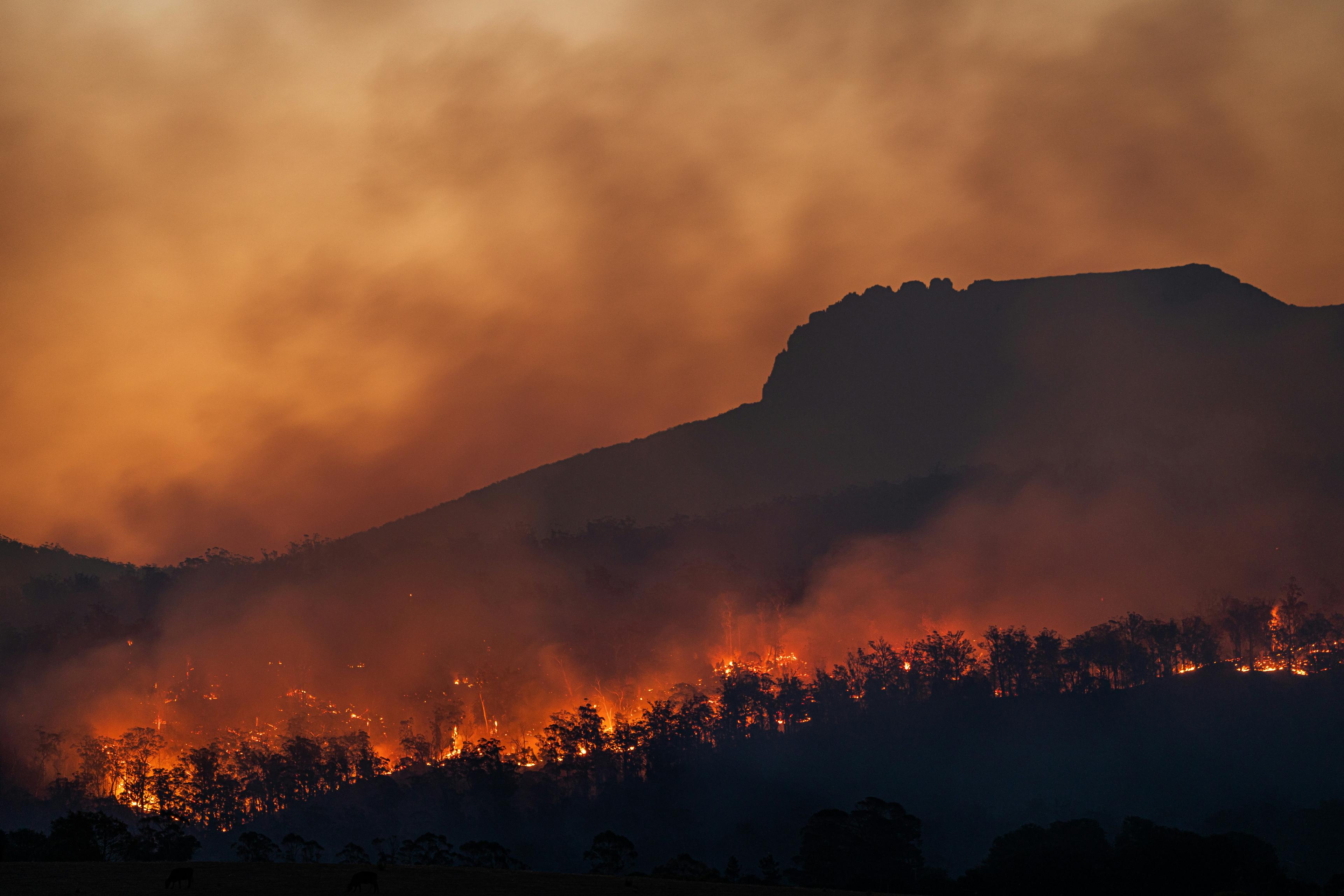

For many utilities, wildfire mitigation requires year-round coordination across field operations, planning, meteorology, and legal teams. As regulatory demands grow and power shutoff decisions face increasing public attention, utilities are judged by how effectively they detect and respond to wildfire-related weather risks.
Several U.S. utilities, including NorthWestern Energy, Xcel Energy, CenterPoint and SPP, have integrated Meteomatics to support fire mitigation workflows. These teams report improved coordination between weather monitoring and field deployment, with greater alignment between forecast models and operational decisions.
The focus is not on generic weather trends, but on circuit-level precision that supports faster interventions. As Matthew Sargent, Meteorologist at NorthWestern Energy, explains:
To forecast fire weather, we have to go down to the circuit level. We’re forecasting for circuits that can be several miles long. Having that resolution has really helped us be accurate, rather than relying on general warnings like ‘this area will be hot’ or ‘conditions will be extreme.’ We need to say much more than that, especially when it comes to protecting customers and our state from wildfires. High-resolution weather data is essential because of how close to the ground our decisions are made.
Meteomatics delivers forecasts with downscaling to 90-meter resolution. Forecasts update hourly and become available within minutes of model output. This provides enough lead time for mitigation teams to assess exposure, initiate field checks, and reduce the risk of ignition along vulnerable infrastructure. Matthew Lanza, Chief Meteorologist at CenterPoint Energy, adds:
One of the most valuable tools for us is high-resolution data that extends beyond 18 or 36 hours. Being able to look further ahead, and then refine that view as we get closer, gives us more confidence.
Meteomatics data is often paired with fast trip protocols, circuit shutoffs, and situational awareness systems. While infrastructure hardening and undergrounding remain long-term projects, high-resolution forecasting has become part of the near-term toolkit for utilities facing dry fuel loads, aging grid segments, and fast changing wind behavior.