
In this Story
- The “Uninsurable” Warning Has Only Grown Louder
- Why Traditional Weather Models Are No Longer Enough
- Using the Past to Price a Changing Risk
- Forecasting as a Tool for Prevention
- From Days to Minutes: Rethinking Claims Verification
- Looking Ahead: Climate Risk as a Strategic Variable
- Data Quality Is the Foundation
The “Uninsurable” Warning Has Only Grown Louder
Back in 2024, Swiss Re warned that some areas were becoming “uninsurable,” after the industry significantly underestimated the impact of natural disasters across Europe. At the time, they pointed to events like the Turkey earthquake, floods in Germany and hailstorms in Italy, where loss estimates were off not by 10 or 20 percent, but by entire factors. The problem, they said, was systemic: their models were struggling, and the industry lacked up-to-date data on exposure and current risk values.
Two years in, those concerns haven’t faded. In conversations with insurers and reinsurers today, I hear the same urgency. Global insurance losses from natural catastrophes continue to grow at an annual rate of 5 to 7 percent, a trend that shows no sign of slowing. According to the Swiss Re Institute, 2025 marked the sixth consecutive year in which insured losses from natural catastrophes exceeded 100 billion US dollars.
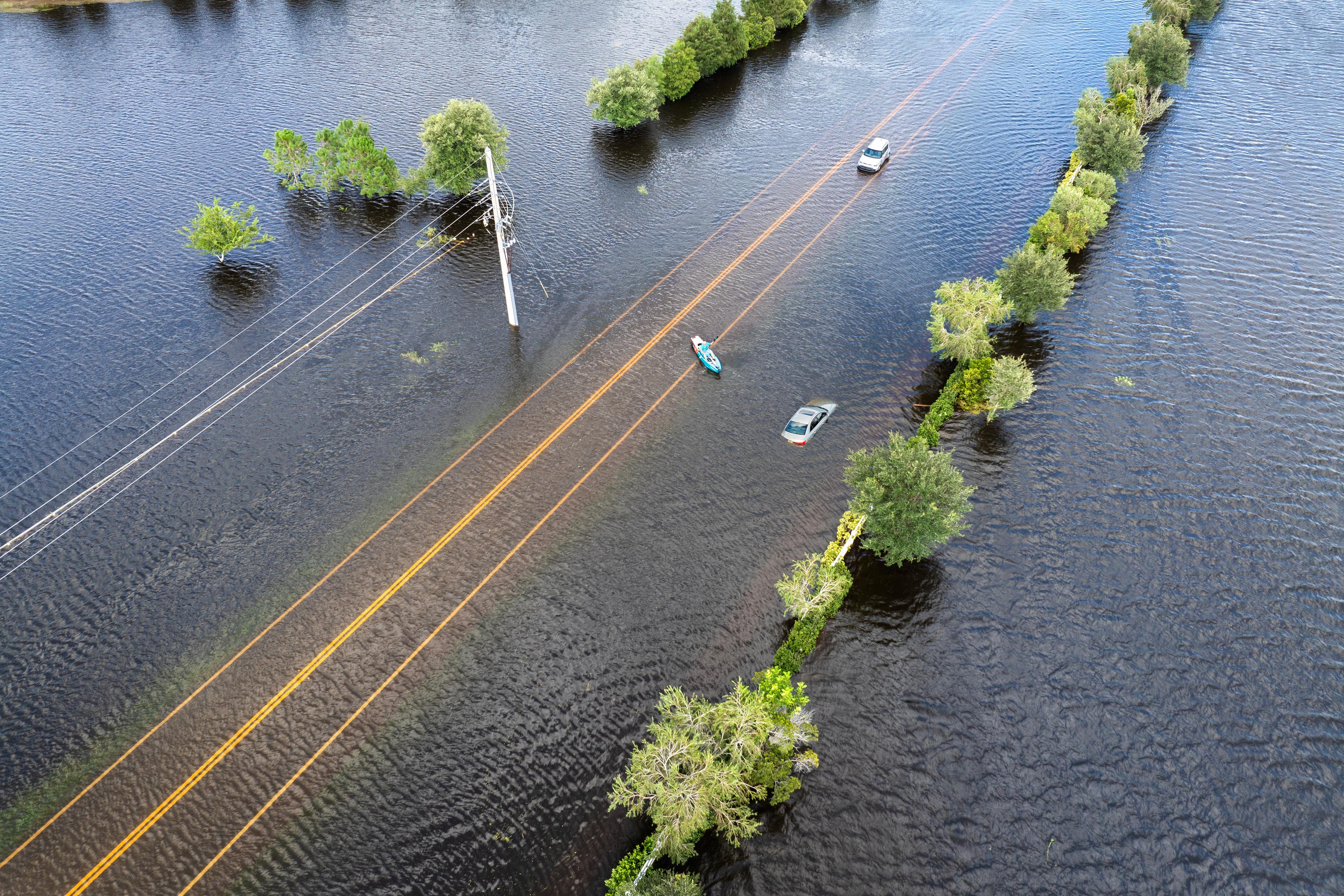
As weather extremes intensify and asset values continue to rise, the gap between modeled risk and actual loss is only growing, and so are the questions around what still makes economic sense to insure. Naturally, the industry is looking for ways to build resilience into portfolios and reduce impact. That means improving prevention, reducing the workload when claim volumes surge, and rethinking how weather intelligence is used to structure products and price risk.
Why Traditional Weather Models Are No Longer Enough
One of the key challenges remains the limitations of traditional weather models and services. Their spatial resolution is often too coarse to capture hyperlocal risks like hail or flash flooding. And even when data exists, it’s rarely delivered in a way that integrates cleanly into underwriting or claims workflows. That’s where we’re seeing a shift, toward tailored weather intelligence that’s both operationally useful and precise enough to support real financial decisions.
Using the Past to Price a Changing Risk
In the short term, one of the most effective levers is historical weather data. Long-term, high-resolution datasets that actually help insurers quantify risk where it’s changing fastest. When certain regions experience a rising frequency of hailstorms or wind events, this evolution can be reflected more accurately in underwriting and pricing decisions. At Meteomatics, we’ve seen this kind of data help insurers move from reacting after losses to adjusting portfolios ahead of them.
Forecasting as a Tool for Prevention
Prevention and early warning are also seeing growing investment. I’ve been speaking with companies who now rely on high-resolution forecasting models to anticipate severe weather events hours or days in advance. And it makes a difference, because sharing timely forecasts with policyholders can reduce avoidable claims and, in many cases, prevent millions in damage. It also builds trust. Even when losses still occur, the ability to give early warnings helps shift the insurer–client relationship from transactional to proactive.
From Days to Minutes: Rethinking Claims Verification
But of course, not everything can be prevented. When the worst happens, the focus shifts to verification. Claims come in fast and heavy and verifications can take days. In moments like that, having fast access to accurate weather data that shows what happened and where can change everything. Tools like MetX Claims can streamline verification, from days to minutes in many workflows, by making event evidence easier to access. There’s a real financial upside, too, as time saved is money saved, especially when additional resources don’t have to be brought in just to cope with surges.
Climate Risk as a Strategic Variable
Looking further ahead, climate projections are becoming a key part of strategic planning. If a storm costs five million today, how much will that same type of storm cost in five years? Ten? Twenty? Climate scenarios help estimate how risk distributions may shift over time and support portfolio stress testing. At Meteomatics, we’re working with clients to bring these projections into the fold, helping them see what’s likely to happen next.
Data Quality Is the Foundation
All of this rests on the quality, resolution and accessibility of the data. Downscaled historical datasets offer the kind of spatial and temporal precision that makes a real difference across perils, especially hail, which has become a major concern as asset values and repair costs climb. And because our weather data is delivered via API, it slots directly into existing workflows. Underwriting, claims, portfolio analysis… it all becomes faster and more connected.
Demand for these capabilities is only going up. What used to be considered secondary perils are now front and center in boardroom discussions. And the financial consequences of extreme weather are increasingly hard to ignore. So the question is how well the sector can adapt its tools and processes.
Yes, the world may be moving toward a new threshold of insurability. But that doesn't mean insurers are powerless. On the contrary, there's a huge opportunity to rethink how they manage weather-driven risk. Those who succeed won’t eliminate it, but they’ll be in a much better position to keep portfolios healthy and continue playing the essential role insurance was built for.